
Why AI Brand Photography Doesn't Have to Look Like AI
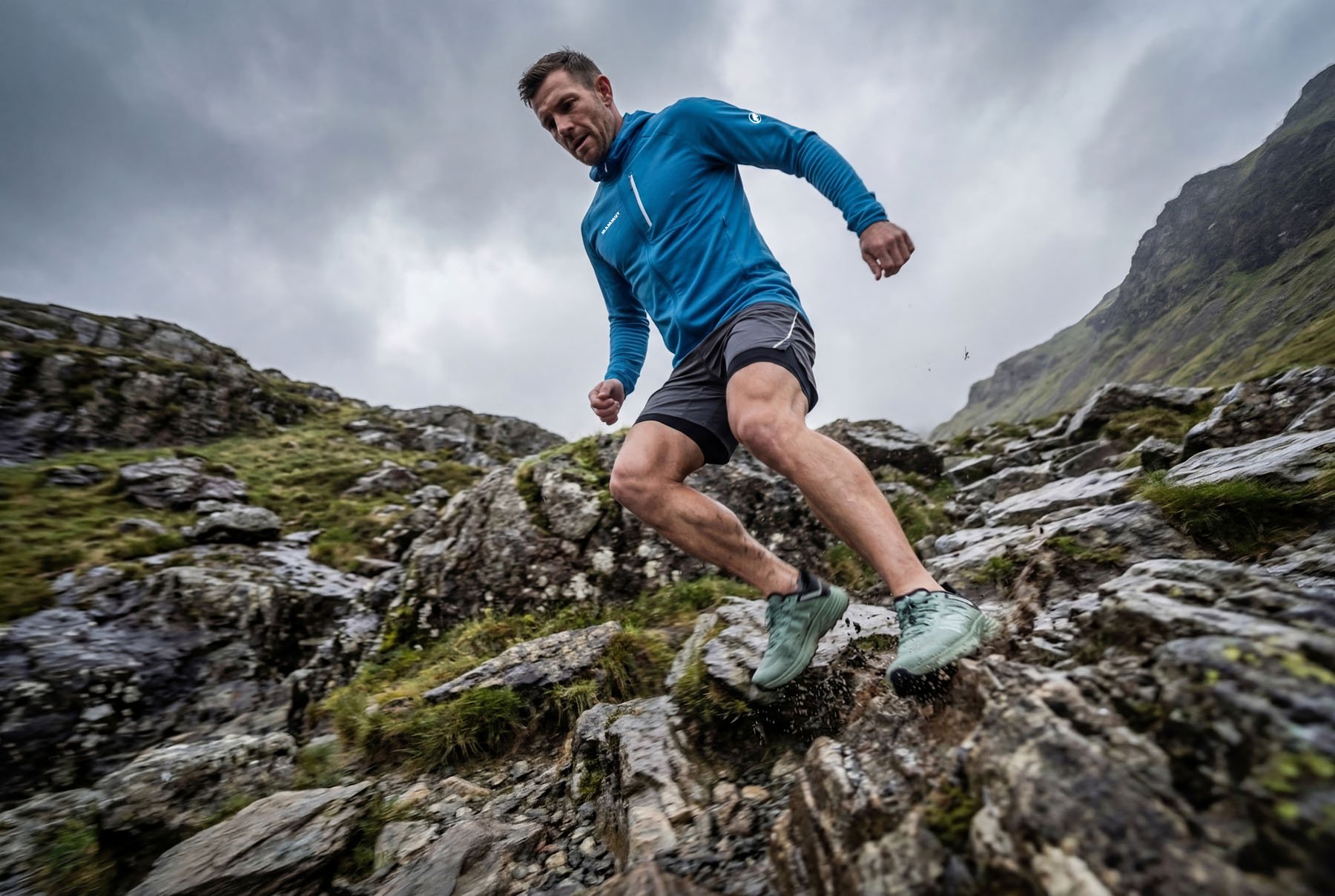
AI-generated image by Mallen Studio. An AI-generated model wearing Mammut gear, trail running in Snowdonia.
There's a version of AI photography that everyone's seen. The slightly too-perfect skin, the hands that don't quite work, the background that feels like it was generated by a prompt box, because it was. It’s trying to look real, but looks like AI, and for brands that care about how they're perceived, that can be a big problem.
But it doesn't have to be that way. The issue isn't the technology, it's how it's being used.
The tools don't know what they're doing
AI image tools are extraordinarily capable. They can conjure up a mountain scene, put a model in a wetsuit, and add dramatic lighting in seconds. What they can't do is exercise taste, apply brand understanding, or make the hundreds of small decisions that separate a good photograph from a great one.
That's what many years of professional photography experience adds. It's not just knowing which tools to use (and that changes nearly every other week right now!) it's knowing what to look for, what's off, what needs fixing, and what the image needs to do in the real world once a brand puts it in front of their customers.
AI slop is what you get when tools are used without that knowledge. Human-directed AI photography is what you get when it isn't.
What actually makes AI imagery look unconvincing
Most AI photography fails for the same reasons traditional photography fails when it's done badly: poor composition, wrong lighting for the environment, models that don't feel connected to the product or the scene, and product details that are slightly off.
The difference is that with AI, these errors happen at the generation stage rather than on set - and without a trained eye reviewing the output, they get missed.
Common problems we see in AI-generated brand imagery:
Product colour or detail that doesn't match the real thing
Lighting that contradicts the environment (indoor lighting on an outdoor scene, for example)
Models whose body language, posture, or activity doesn't feel authentic to the product or action
Backgrounds that are generically beautiful but contextually wrong
Images that look great at full size but fall apart when cropped for social or ecommerce
None of these are AI problems specifically. They're craft problems. And craft is what human direction brings to the process.
The brief matters as much as the tool
A good photographer doesn't just point a camera and press a button. They shape the brief, ask the right questions, understand what the image needs to achieve, and make decisions throughout the process that bring that vision to life.
The same applies to human-directed AI photography. Before we generate anything, we work through the same creative and commercial questions a traditional shoot would raise: Who is this image for? What does it need to communicate? What environment makes sense? What does it need to look like cropped to a 1:1 on Instagram versus full-width on a landing page? And when creating AI models instead of casting real humans, and needing consistency across a whole body of 30+ images, you need to ask a whole load more questions to get things right.
That thinking is what stops the output looking generic or fake. The tools are fast. The thinking is what makes it great.
Product accuracy is where most AI photography breaks down
For outdoor, performance, and sports brands in particular, this is the issue that matters most. Fabric texture, product colour, zip placement, logo position, fit - these details matter to customers, and getting them wrong undermines the premium feel a brand has worked hard to build.
AI tools, left to their own devices, approximate. They produce something that looks like a wetsuit or a running shoe, not necessarily the specific one a brand is trying to sell. Getting product accuracy right takes careful setup, reference imagery, and multiple rounds of review. It takes time and expertise. But for the brands we work with, it's non-negotiable.
When AI photography is done properly, you shouldn't be able to tell (unless you want it that way…)
That's the goal. Not imagery that announces itself as AI-generated, but imagery that simply looks like excellent brand photography. Commercial, credible, on-brand, and built for the channels it's going to appear in.
We're not there to produce novelty. We're there to produce imagery that performs. Whether that's a clean ecommerce shot, a lifestyle campaign, or a conceptual hero image for a paid media push - the measure of success is always the same: does it work for the brand?
The honest reality
AI tools alone spit out slop. What makes human-directed AI photography different is the creative direction, the quality control, and the understanding of what brand imagery actually needs to do. The technology has changed. The craft hasn't.
If you're curious about what it could look like for your brand, we're happy to show you. We can start with a small test brief - low cost, low commitment, real output. Take a look at our portfolio, or get in touch and tell us what you need.