What I've learned in the first 60 days of building Mallen Studio
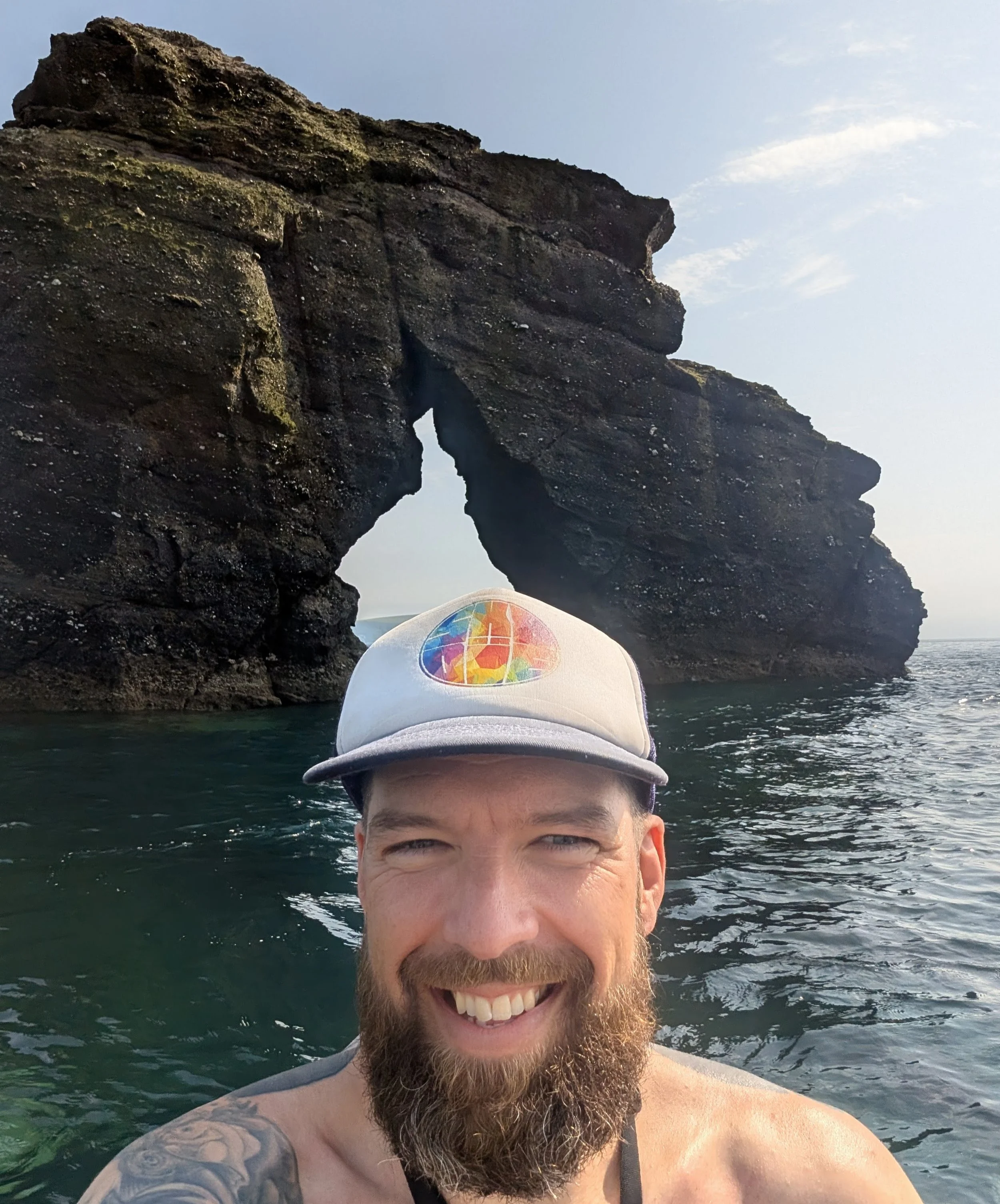
Selfie of me (Tony) taken whilst paddle boarding in South Milton, Devon during the school half-term break.
Sixty days in and this is our story so far.
When Martin and I launched Mallen Studio, we had a clear enough idea of what we were building - a human-directed AI photography studio, run by two brothers, built on 17 years of professional photography experience. We had little idea of what the first two months would actually feel like. So here's a bit of a reflection on what feels like 6 months…
The thing that surprised me most
All the talk about AI slop - and there's a lot of it, most of it justified - made me think we'd be pushing uphill with every conversation. In reality, the response from marketing leaders has been almost the opposite. Nobody's looked at us like we've suggested something offensive. Most of them are already thinking about it, many are already spending money on testing it with various agencies, and more than one person has told us it's probably being discussed in most boardrooms right now.
It doesn't feel like selling something people don't want. It feels like arriving at the right moment.
What's also been unexpectedly encouraging is how much the Martin angle resonates. The human director being a genuinely experienced professional photographer - not a tech person, not a prompt engineer, but someone who's spent 17 years behind a camera across sailing, action sports, commercial product work, and CGI - is the thing that seems to land most clearly and the reason people experimenting with similar tools aren’t getting the same results. It's not just a marketing line. It's what actually makes the work better.
What's been harder than I expected
The admin. I knew it wouldn't be the exciting part, but I underestimated quite how much mud there is to wade through in the early stages of setting up a business properly. Getting expenses working in Xero, understanding what needs to go where, following instructions that turn out to have about four more steps than advertised. It all takes longer than it should and longer than you want it to.
Nobody starts a photography studio because they love bookkeeping. But here we are!
What's been better than expected
Building the outreach machine has been genuinely easier than I anticipated. I thought I needed a proper CRM system. Turns out Claude Pro, Google Sheets, and Yet Another Mail Merge is a perfectly good starting point when you're at our stage - thanks for the tip, Jo! Simple, fast, and it works.
Cold outreach has also been more productive than I'd feared it might be. I think that's partly because what we're doing is new enough to be genuinely interesting, and partly because so many others doing it are doing it badly - so the bar for standing out isn't as high as it might otherwise be.
Turning up in person has mattered too. Networking and meetups have always been part of how I work, but the conversations we've had in rooms - brief elevator pitch, turning into a long conversation that follows, have been consistently encouraging. People want to talk about this. They have questions. They're curious and they can see how valuable it is when used in the right way.
The conversation that stuck in my mind the most so far
We've been very focused on making imagery that looks real. Real environments, real movement, authentic product detail - imagery that, once you know it's AI, still stands up to scrutiny.
But someone pointed out that real isn't always what a brand needs. The conceptual, out-there stuff - imagery that's never constrained by location permits, weather, physics, or budget - is a whole other avenue. You can create things that are spectacular precisely because they're impossible in the real world, while still being authentic to the brand and accurate on the product.
That reframe has opened up some genuinely exciting creative territory and changed how we think about what we're pitching.
What I'd do differently
Not much, honestly. The most valuable moments have been the questions we couldn't answer and the mistakes we’ve made - the blind spots we didn't know we had until someone asked. Exposing yourself to that, early, is the quickest way to learn.
The one thing I'd flag is the purpose side. We wanted to show genuine intent from day one on our website - what we're committed to, what we're working towards. But we've realised we're simply not ready to say more than we can back up yet. It's easy for businesses to make bold claims. We need to earn the right to make them even if our intentions wholeheartedly are non-negotiable. Watch this space…
What a typical day looks like
There isn't one. Most days involve a call or a meeting, sometimes a proper new business pitch, sometimes just turning up to talk with no agenda and seeing where it goes. It's twenty outreach emails, a lot of time on LinkedIn, iterating on the website based on something that came up in a conversation that morning, balancing blog posts with LinkedIn content and constantly second-guessing whether being authentic is too much, and then deciding it isn't.
There's also training for a big Karate grading at the end of June, which I have to pull myself away for.
The long evenings at the laptop aren't gone. But it feels different when it's your own thing. Less stressful, more purposeful. More problems to solve, more answers to find, and genuinely better tools to find them with.
How it compares to before
I'm still doing a lot of the same things - speaking to marketing teams and founders about what keeps them up at night, taking briefs that mean I truly understand what someone needs. That's all transferable.
What's different is the output. I've always been a creative person - I wanted to be a graphic designer before falling into marketing recruitment, and I've satisfied that side of myself through drawing, making things, building stuff. Now that's connected to the work in a more direct way.
And I don't think I could go back to working for someone else. The safety net is smaller, but the freedom is worth it.
The next 60 days
Given how fast the last 60 have gone, it's hard to predict. But the thing I'm most looking forward to is getting real case studies out into the world - proper client briefs, not concept work - and showing what we're actually capable of when someone hands us something real to solve.
And hopefully, if invoices get paid on time, 1% for the Planet will be signed and sealed by then too.
We're much further forward than we'd hoped - solid pipeline, encouraging conversations most days, a clearer sense of what we're building. But we'll truly know what we're capable of in the coming months. And there will be so much more to learn along the way.
That should never stop.
Tony Allen, Co-founder, Mallen Studio