Advantage+ Isn't an Ad Tool Problem - It's a Creative Volume Problem
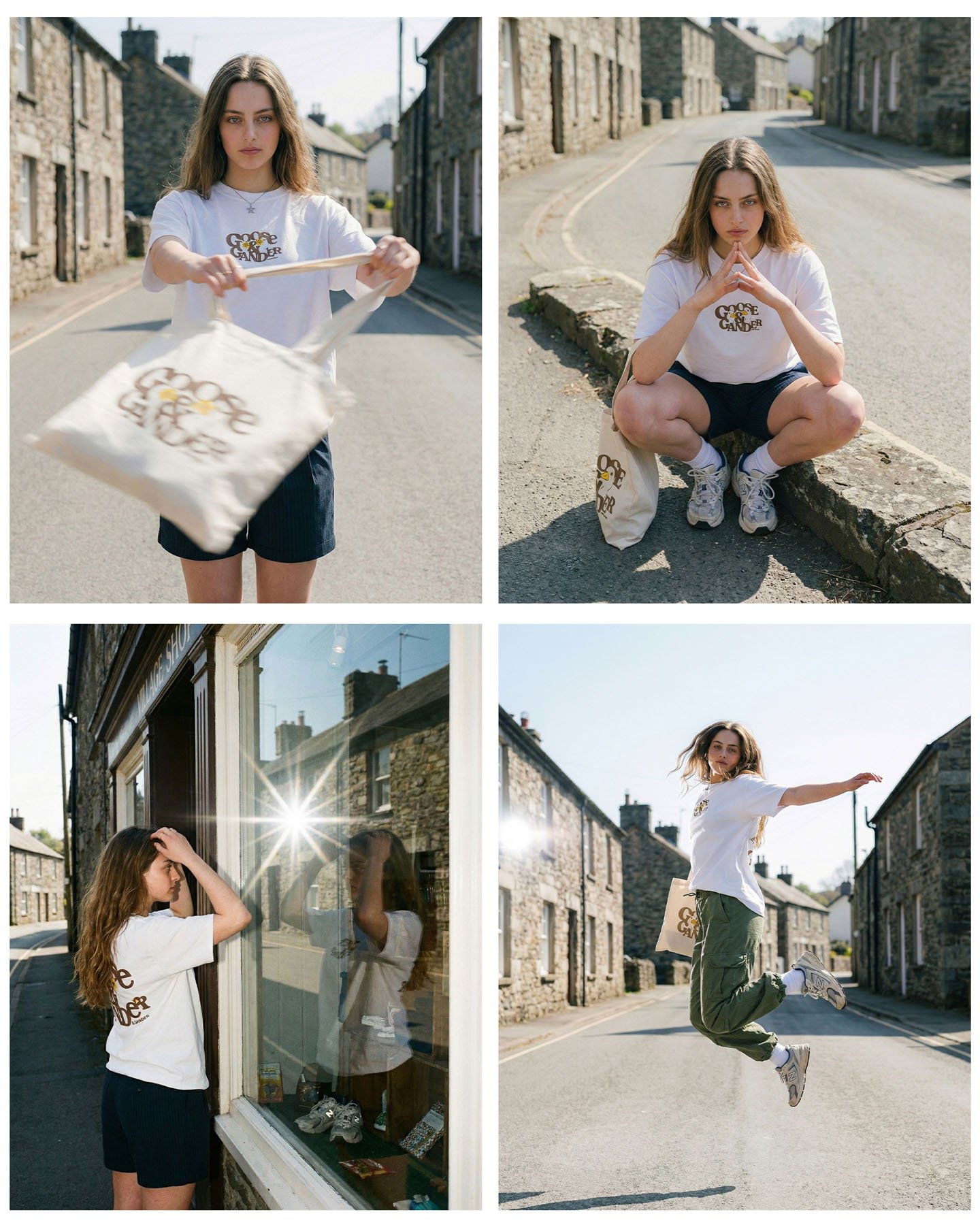
Human-directed AI campaign photography by Mallen Studio.
Meta's Advantage+ has been positioned as an advertising innovation. And it is - the platform uses AI to automate audience targeting, budget allocation, and ad delivery at a scale that would be impossible to manage manually. But for brands, the real challenge isn't understanding how the automation works, it's keeping up with what the automation needs.
What it needs is volume, and that doesn't just mean more ads, it means more good ads. More product photography, more lifestyle imagery, more creative variations that give the algorithm something meaningful to test and optimise around.
Advantage+ has turned creative production into the performance bottleneck, and from speaking to marketing leaders across the industry, we’ve been told that the majority aren't ready for it.
New to Advantage+? Meta's official Advantage+ page explains how the AI-powered suite works.
The shift from targeting to creative
For years, paid social success was built on precision targeting. Brands obsessed over audience segments, lookalike models, and retargeting funnels. Creative mattered, but it was often treated as a fixed input - something you developed once, uploaded, and ran until performance dropped off.
Advantage+ completely changes that. With automation handling most targeting decisions, creative becomes the primary variable the system uses to decide who sees what, and when. It tests combinations of visuals, copy, formats, and placements at scale, and shifts budget toward whatever's working.
But if you only give it a handful of assets, the system can't do its job. It needs diversity, it needs fresh content, it needs enough creative inputs to identify patterns and avoid fatigue.
This isn't a media buying challenge anymore, it’s now a creative production challenge.
Yes, Advantage+ has AI image generation built in, but that isn’t the silver bullet
Meta has built generative AI directly into Advantage+ Creative. The platform can generate image variations, swap backgrounds, expand images to fit different formats, and even create new visuals from prompts. On paper, that sounds like the creative volume problem solved.
In practice, it's not. You can hear it on LinkedIn and anywhere marketing leaders openly speak about their concerns and beliefs. If you want high-volume generic then maybe it’s OK, but is that really good enough?
AI-generated imagery without creative direction is like handing a designer who doesn't know your business an open brief and asking them to produce 50 images for your campaign, then chucking all of your ad spend at it. The output might be technically competent, but it won't be strategically sound. It won't be on-brand. It won't be product-faithful. And it won't reflect the kind of creative thinking that actually moves performance. Can you imagine a brand like Finisterre doing things in this way?
Automated creative generation can produce more, but it can't guarantee better. And when creative is your primary lever for performance, better really matters.
The real advantage: Human-directed creative at scale
The challenge isn't just producing volume - it's producing quality volume. Creative that feels authentic, represents products accurately, aligns with brand guidelines, and understands customer intent.
That requires creative direction. It requires professional judgement. It requires the kind of expertise that comes from years of experience in brand photography, not just access to a generative AI tool.
Mallen Studio's approach combines human-directed creative intelligence, guided by 17 years of professional photography experience, with AI-enabled production workflows. The result is imagery that's scalable, but also strategically sound, visually cohesive, and genuinely on-brand.
It's not about replacing human creativity with automation. It's about using automation to support and scale the creative decisions that humans make. That's the difference between 50 generic AI-generated images and 50 purposeful, brand-aligned assets that actually perform.
What happens when brands can't keep up
Brands still operating with a traditional content production model - one or two photoshoots a year, a set of hero images, maybe some lifestyle shots if the budget allows - are finding that approach doesn't work anymore.
Ad fatigue sets in faster. Performance becomes unpredictable. New product launches take longer because there's no quick way to produce supporting visuals. Seasonal campaigns miss their moment because the creative process can't move fast enough.
And brands end up spending more on media while getting less out of it - not because their products aren't good, but because they don't have enough creative fuel to keep the engine running.
Turning to Meta's built-in AI image generation might seem like a shortcut, but without proper creative direction, it leads to generic, off-brand visuals that don't convert.
Why Mallen Studio
Traditional product photography is slow and expensive. It requires physical samples, studio space, photographers, stylists, and post-production. That's fine for hero campaign imagery, but it doesn't scale when you need 20, 30, or 50 creative variations to feed an Advantage+ campaign properly.
Meta's built-in AI generation can produce volume, but it lacks the brand knowledge, creative judgement, and product understanding that makes imagery truly effective.
Mallen Studio bridges that gap. By combining human-directed creative intelligence with AI-enabled workflows, it gives brands the ability to produce high-quality, on-brand, product-faithful photography at scale. It's not about cutting corners or automating creativity away, it's about making professional-grade creative production as agile as the platforms now demand.
For brands trying to keep pace with Advantage+, that's essential.
The question is: Is your creative pipeline ready to deliver that?
If not, let's talk.